Projects
Loft conversions and party walls
In a terrace or a semi, almost every loft conversion involves the shared wall. Two months' notice is the rule, so serve early.
- Section 2 notice
- 2 months' notice
- Usually both neighbours
Why lofts bring in the Act
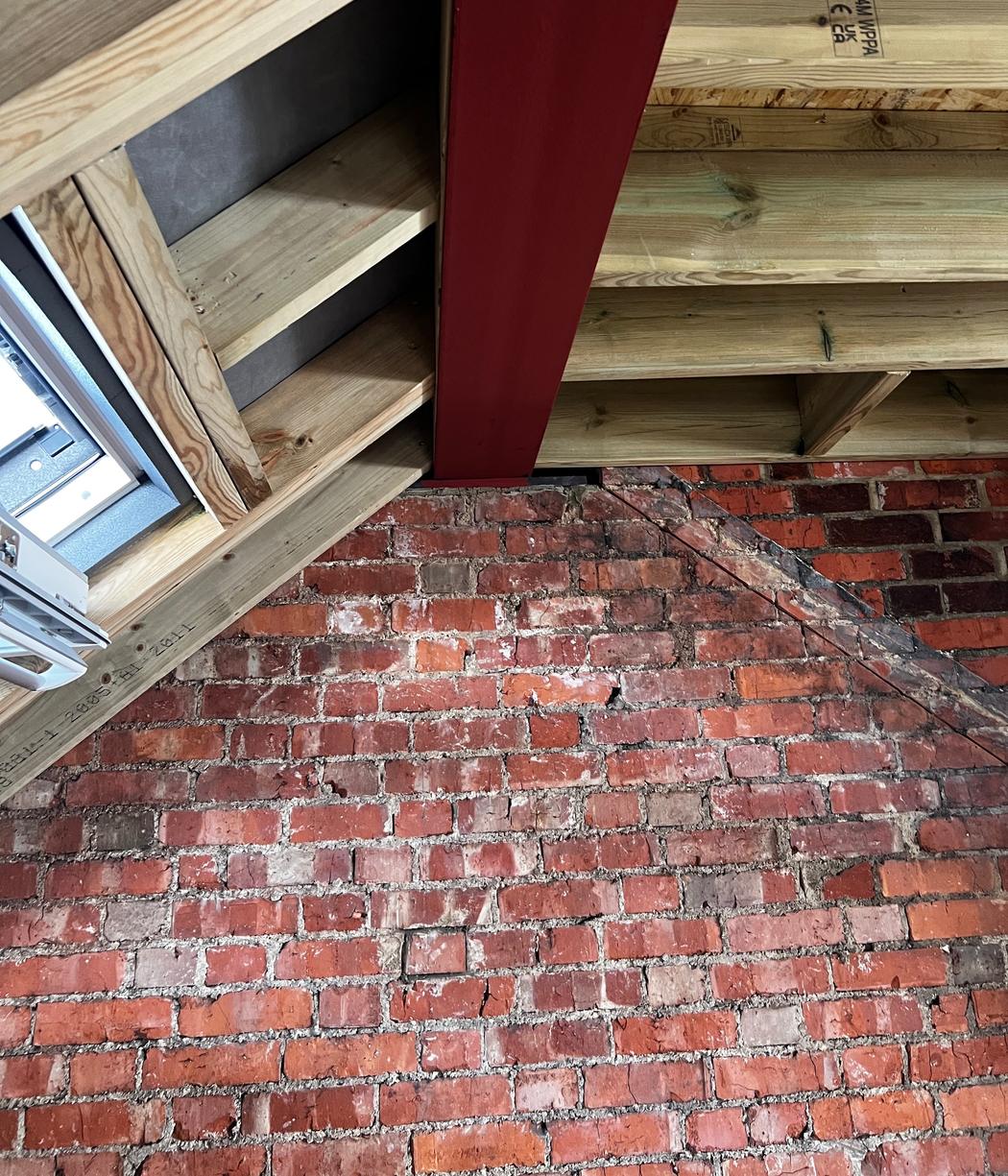
- Steel beams bearing on the party wall. Cutting pockets into the wall for beam ends is the most common reason a loft needs notice.
- Raising the party wall to form the side of a dormer or a new gable.
- Cutting in flashings where the new roof meets the shared wall.
- Removing or cutting back chimney breasts in the roof space.
- Rebuilding or capping a shared chimney stack.
All of these are work to a party structure under section 2 of the Act, which means at least two months' written notice to every adjoining owner.
The lofts we see most in South London
- Rear dormers
- On Victorian and Edwardian terraces in Selhurst, Thornton Heath, Brixton and Tooting. Beams usually bear on both party walls, so both neighbours get notices.
- L-shaped dormers
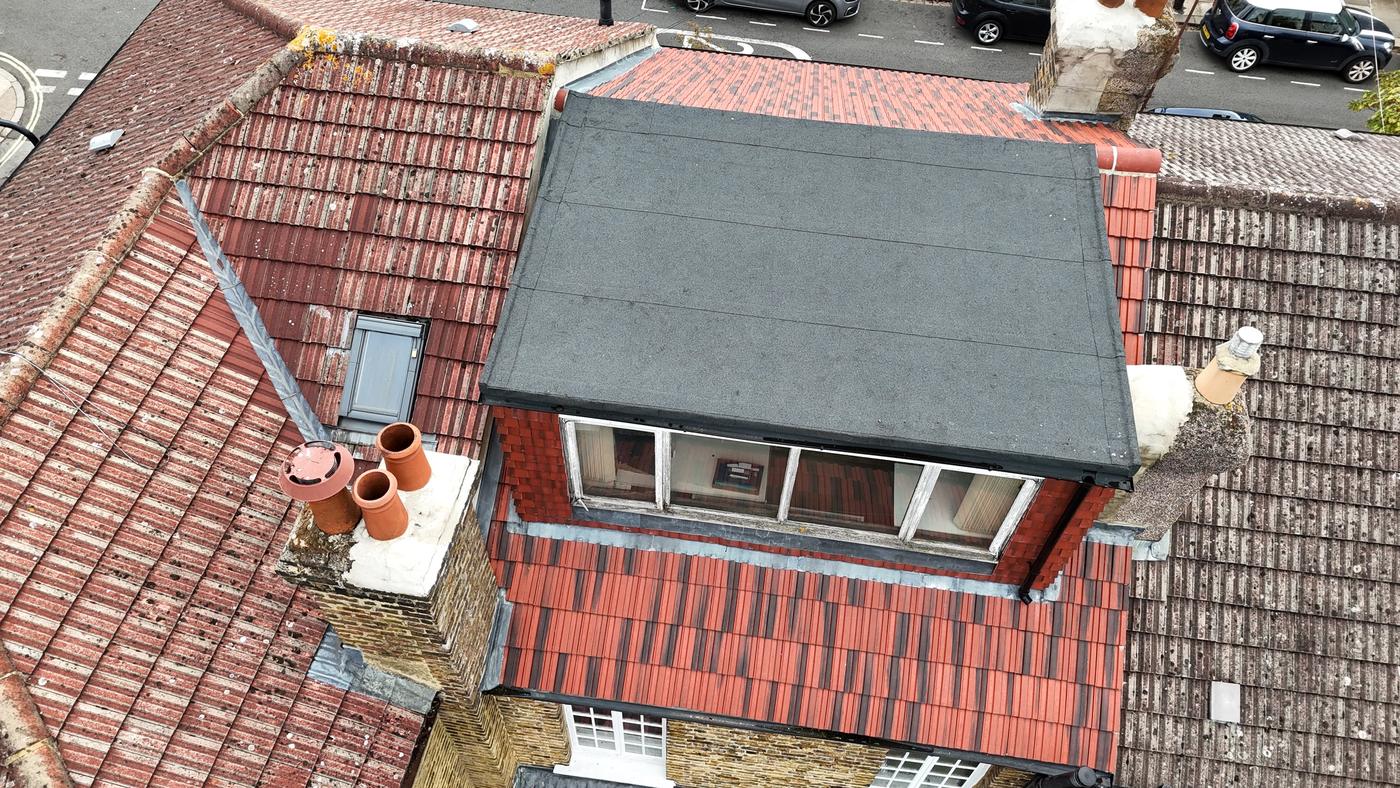
- A second dormer over the back addition, common across Lambeth, Wandsworth and Southwark. It runs alongside next door's back addition, so the shared wall is involved for much of its length.
- Hip-to-gable
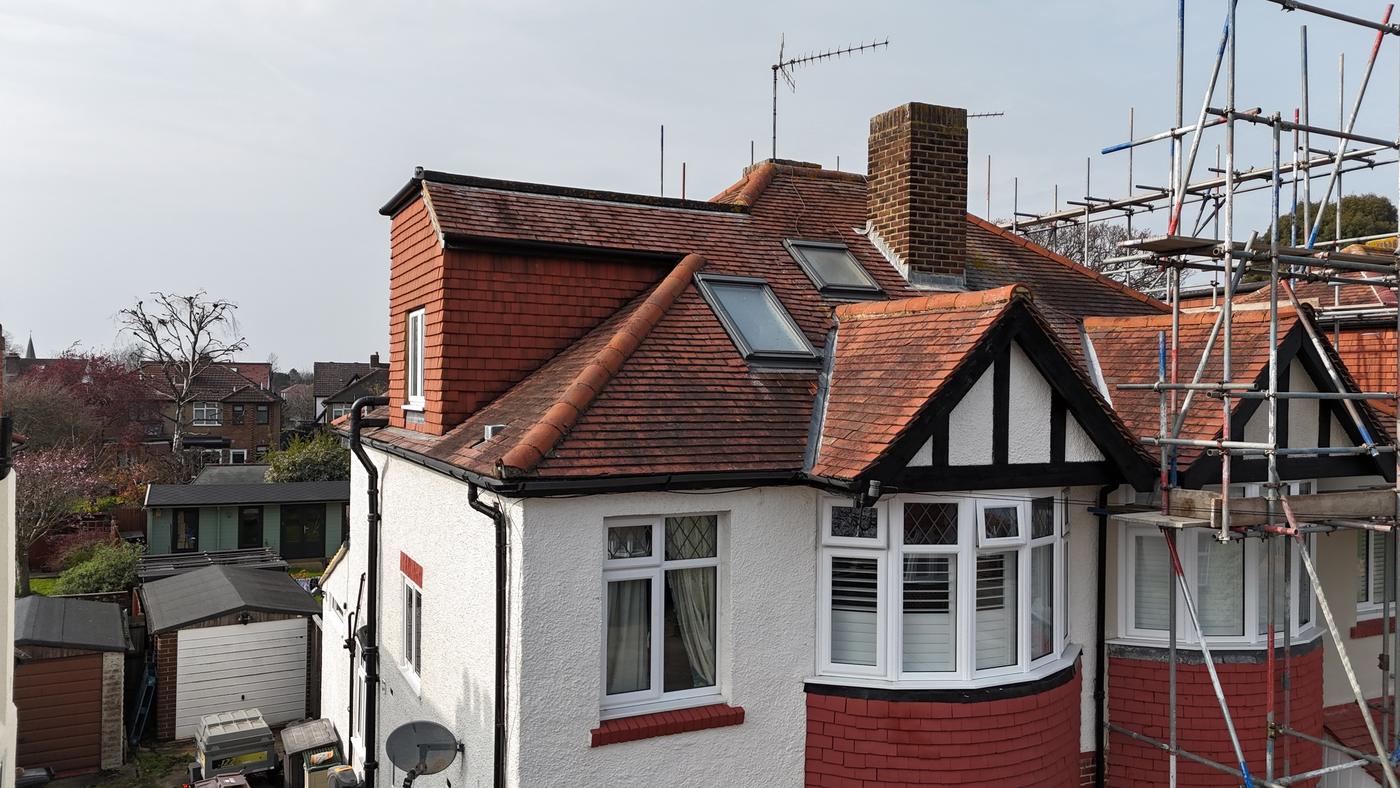
- On 1930s semis in Shirley, Sanderstead, Morden and Bexleyheath. The shared gable is raised and extended, and the roof is rebuilt against it.
- Mansards
- Often in conservation areas, where planners prefer them. The party wall is usually raised along its full depth.
What we look at
- Where the beams bear and what they bear on. Some older terraces have thinner party walls in the roof space than lower down, so padstones and bearing positions matter.
- Temporary support while the roof is opened up, and how next door's roof and loft are protected.
- Weatherproofing where the new structure meets the neighbour's roof and gutters.
- The shared chimney stack: whether it stays, and how it is supported if breasts below are removed.
- Access to the neighbour's loft for the schedule of condition.
Timing
Serve the notices two months before the roof work starts. You do not need planning permission or a lawful development certificate first, only drawings that describe the work accurately. Loft companies often book start dates months ahead, so ask them for the structural drawings early.
Questions people ask
My loft is permitted development. Do I still need a party wall notice?
Yes, if the work affects a shared wall. Permitted development is about planning. The Party Wall etc. Act 1996 is a separate law, and it applies whatever the planning position.
Do I need to tell both neighbours?
In a mid-terrace house, usually yes. Beams often bear on both party walls, and each adjoining owner needs their own notice.
Can the work start before the two months are up?
Only if your neighbours agree in writing to an earlier start.
Will the surveyor need to get into my neighbour's loft?
Often, yes. The schedule of condition should include their loft and the ceilings below it, because that is where loft work is most likely to show.